
Multigenerational Living: Designing Homes for Extended Families
As life expectancies continue to rise and economic realities shift, multigenerational living has become a common living arrangement for many families. According to a report by the Pew Research Center, a record 64 million people in the United States, or 20% of the population, were living in multigenerational households in 2016. This trend is expected to continue in the coming years, with more and more families choosing to live together to share resources, support each other, and foster closer relationships. As a result, the demand for homes designed for extended families is on the rise, and architects and builders are responding with innovative and thoughtful solutions to accommodate this growing need.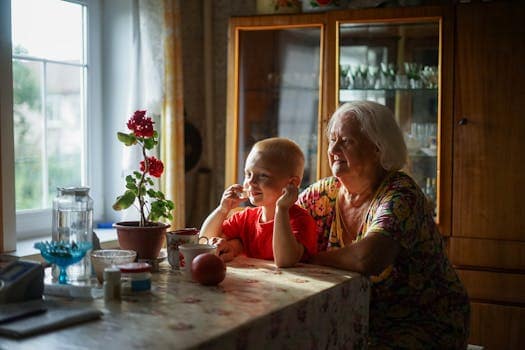
The Concept of Multigenerational Living
Multigenerational living, also known as extended family living, is the practice of multiple generations of a family living together in one household. This can include parents, grandparents, adult children, and their families all living under one roof. The reasons behind this type of living arrangement vary, but the most common driving forces include economic factors, cultural traditions, and the desire for mutual support and companionship.
Economic Considerations
In today’s world, it is becoming increasingly difficult for families to afford the cost of living independently. The rising cost of housing, education, childcare, and healthcare are causing financial stress for many families. Multigenerational living can help alleviate these financial burdens by combining resources and sharing the costs of living. This arrangement allows families to save money on housing, utilities, and other expenses, making it a practical solution for those struggling with rising living costs.
Cultural Traditions
In many cultures, multigenerational living is a long-standing tradition. In Asian, Hispanic, and Native American cultures, it is the norm for multiple generations of a family to live together. It is a way of life that emphasizes the importance of family, community, and interdependence. As these cultures continue to blend with others in the United States, this tradition is becoming more prevalent and accepted in American society.
The Key Elements of Designing Homes for Extended Families
Designing a home for extended families requires careful consideration of the unique needs and preferences of each family member. Here are some key elements to keep in mind when creating a multigenerational home:
Separate Living Spaces
The most critical aspect of a multigenerational home is providing separate living spaces for each family unit. This could include a separate apartment, a mother-in-law suite, or a separate wing with its own entrance, kitchen, and living area. This arrangement gives each family member privacy and independence while still being part of a larger, connected household.
Flexible and Adaptable Floor Plans
Designing a home with a flexible layout that can adapt to the changing needs of a multigenerational family is crucial. The layout should allow for common areas where families can come together, as well as private spaces for individual families to retreat to. This can include open-concept living areas, multipurpose rooms, and the option for converting spaces into additional bedrooms or living areas when needed.
Universal Design Principles
To ensure that a multigenerational home is accessible and safe for family members of all ages and abilities, incorporating universal design principles is essential. Features such as wide hallways and doorways, one-level living, and zero-step entries can make a home more accessible for older adults and individuals with mobility issues. This design approach also allows for easier navigation for younger children and promotes aging in place for older family members.
Common Amenities and Shared Spaces
To promote a sense of togetherness and foster closer relationships in a multigenerational household, common amenities and shared spaces are essential. This could include a shared kitchen or dining area, outdoor living spaces, and a communal family room. These shared spaces encourage interactions and create opportunities for family members to bond and spend quality time together, ultimately strengthening family ties.
The Future of Multigenerational Living
As the population continues to age, and the cost of living remains high, the demand for homes designed for extended families is likely to grow. Architects and builders will need to continue to rethink the traditional single-family home design and create homes that cater to the needs and preferences of multigenerational families. With thoughtful design and planning, multigenerational living can provide families with financial stability, support, and a sense of community, making it a viable and desirable solution for many generations to come.